3 Applications of Aggregate Supplies in Everyday Projects

Aggregate Supplies Everyday Projects Crushed Concrete

Aggregate is one of the most useful products used in the construction industry. One of the reasons that construction firms seek aggregate supply for projects is that is is an eco-friendly material. Aggregate concrete achieves its eco-friendly status because it recycled from materials taken from old, demolished structures.

Reusing concrete is makes a positive impact on the environment instead of creating new concrete. When crushed, the aggregate concrete material allows for use in a variety of projects. With these points in mind, these are key uses for aggregate.

Fill Drainage Structures

Aggregate makes an excellent filling medium for drainage structures. It is a material that has everyday use in edge drains on roadsides, drains for retaining walls, and foundation drains. Aggregate is also useful as a medium in revetments and used to help in the control of issues related to soil erosion.

Aggregates for Noise Barriers

Aggregate concrete is also finding everyday use in the sound barriers used on major freeways. It is another excellent way to utilize this eco-friendly material.

Aggregates for Road Constructions

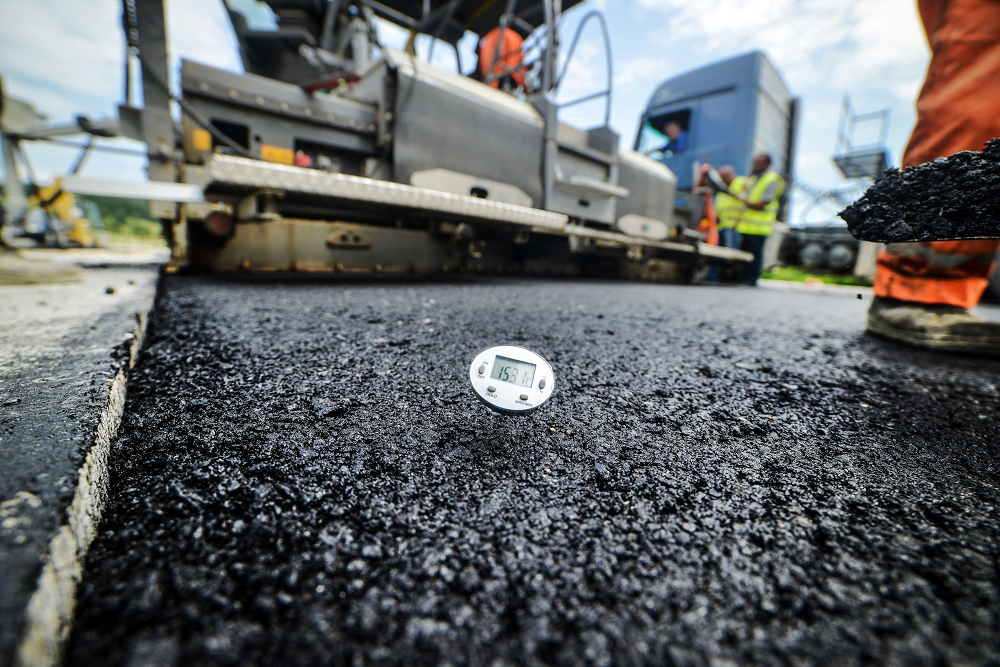
Aggregate concrete has also found frequent use in road construction and is a popular material for forming the base of roads.

Where to Find Aggregate Suppliers in Baltimore

At ReAgg, our company is leading as the top Baltimore aggregate supply. We proudly serve the Baltimore region and can provide aggregate delivery to area customers. You can reach our office by calling (301) 336-6700 to find out more about our service offerings and set up delivery services to your site. We supply aggregate products in the Baltimore, Maryland, and the Metropolitan area, Washington DC and Northern Virginia.

Benefits of Using Crushed Stone in Your Landscaping Projects

Crushed Stone Suppliers in Baltimore Maryland

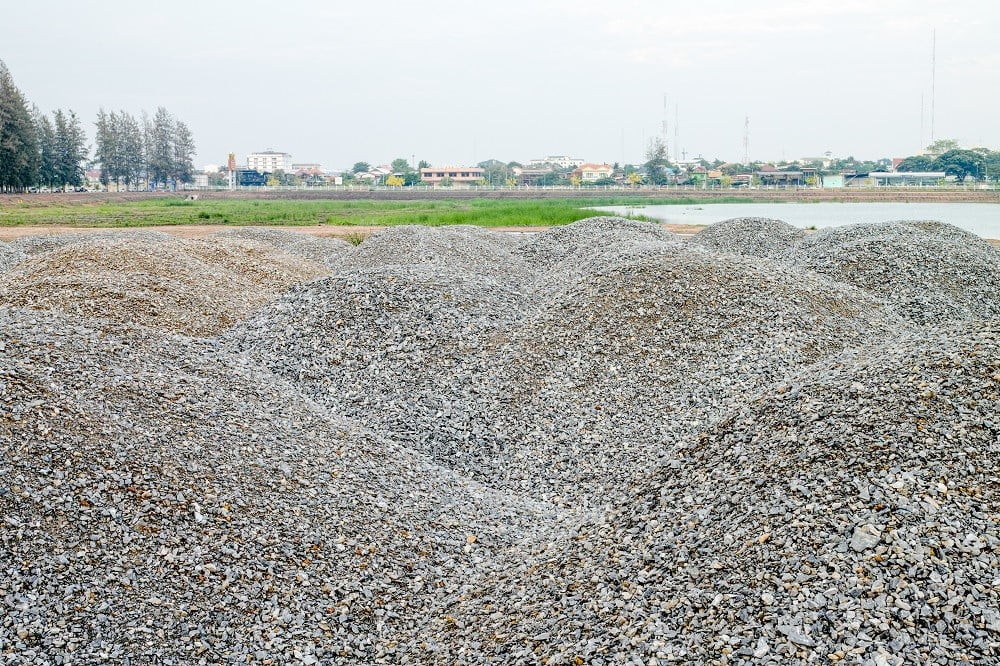
Crush stone is an extremely versatile product, particularly in the landscaping of your home or office. From walkways and driveways to flowerbeds, ground cover and even fire pits, crushed stone might just become your next “go-to” product.

If you’re looking for an alternative to flagstone and/or concrete for your next walkway, consider the many benefits of crushed stone. It gives you a unique look and has the inherent quality of promoting much needed drainage. This multifaceted stone is also a great choice for driveways as it’s angular shape helps to provide a higher rate of compaction when compared to traditional gravel.

Are you rethinking your flowerbeds and getting a bit tired of standard mulch? Crushed stone offers uniform color, enhances the stability of your plants and shrubs, and serves as excellent groundcover in rock gardens where living ground covers are difficult to maintain.

If you have an area in your yard where water drains slowly, crushed stone will slow down the water and create a nice focal point. And, for that much-needed fire pit, crushed stone can be used inside and out, helping to protect against the spread of fire while providing a safe seating area.

In both residential and commercial applications, adding crush done under concrete slab will ensure a level surface for your foundation. Concrete poured directly over the ground will erode over time and cause your slab to crack and sink. Additional uses include, backfill, drainage projects, pipe-bedding, parking lots and more.

So, whether your next project is a park, municipal project or private home, crushed stone is a smart choice. Relatively inexpensive when compared to other types of landscaping, this all-purpose material continues to grow in popularity and has long-term benefits with a lower price tag.

ReAgg is a leading supplier of crushed stone products throughout Maryland, Northern Virginia, and the Washington/Baltimore Metropolitan areas.

To find out how ReAgg can help with your next project, please contact us. Our team of aggregate experts will provide you with more information and answer any questions you may have. Call us today at 301-336-6700.

What is crushed aggregate base?

crushed-aggregate-base

There are desirable properties associated with Aggregate Base Course (ABC). In pavements, Base Course is a sub-layer material that provides a supportive foundation on sidewalks top layers, that is placed directly on the undisturbed soil. The aggregates derive from concrete, recycled asphalt, or quarried rock.

Structural Uses of Aggregate Base

When doing structural foundations or base course under concrete slabs and asphalt pavement roadways, Aggregate Base is in use. It can be placed by attentive spreading then compacting.
The sub-base if formed by dust and small chipped aggregate layers, typically Crushed Fines. The crushed aggregate base lays on heavy traffic or driveways areas.

Dense Aggregate Base

Dense-graded base course are aggregates having different particular size. Recycled aggregates in concrete can also be of use. They form a dense layer having stones and minimum amount of voids. They are primarily in use when construction and pavement applications.

Common Uses of Aggregate Base

  • Concrete pads and pavements foundation
  • Asphalt pavement foundation
  • Unpaved shoulders and roads
  • Cement-treated base
  • Backfill underground facilities and pipe

Sizes and Designations of Aggregate Base

The dimensions and designation vary due to the different location, as each site has governing agency requirements.
The standard designations are inclusive, but they are not limited to Macadam Base Course (MBC), Aggregate Base Course (ABC), Graded Aggregate Base (GAB), Crushed stone Base, Dense Graded Base, Subbase, and Base.

Applications of Aggregate Base

  • Buildings and houses
  • Highway, roads, and streets
  • Commercial and residential buildings
  • Railroad trackbed
  • Concrete structures (parking ramps, bridges, wastewater treatment plants, water dams)
  • Landscaping
  • Water purification and filtration
  • Erosion control
  • Water drainage structures
  • Agriculture soil additive (lime)
  • Ball diamond surfacing
  • Site reclamation
  • Ice and snow control
  • Livestock bedding

quate