A Year in Review: How the Construction Industry Managed 2021

2021 was another year of trials for many industries, and the construction industry was no exception. Rising material costs, labor shortages, and increased demand all had major impacts on construction across the nation. 

Rising Building Material Costs 

According to a November 2021 report from the National Association of Home Builders (NHAB), building material prices on average increased 12.2% year-to-date after increasing 4.5% over the same period in 2020. Many materials are still on an upward trend in regards to price. Ready-mix concrete products, gypsum products, steel mill products, goods used in residential maintenance and repair, millwork, prepared asphalt, tar-based roofing products, and construction materials have all seen another year of rising prices. Softwood lumber prices were some of the only costs to see a dramatic drop, which occurred in May of 2021. 

Skilled Labor Shortages 

In the wake of the pandemic, many industries faced a labor shortage. However, the construction industry was hit especially hard during 2021. Many construction companies were having challenges finding skilled workers prior to the 2019 onset of the pandemic, and the issue has only been exacerbated by the events of the past two years. 

The construction sector lost more than one million jobs in the spring of 2019. Since then, construction job openings have increased by 12% from pre-pandemic levels, and the sector is still down about 232,000 jobs from February 2020 according to data from the Bureau of Labor Statistics

The 2021 unemployment rate in the construction industry peaked in February at 9.6%, falling to a 2-year low of 4.0% in August. 

Increased Construction Demand 

2021 saw a surge in activity throughout the construction industry. Many projects that had been put on hold due to the uncertainty of the pandemic were finally completed over the past year, specifically in the residential sector.

In fact, the residential sector has been the biggest driver of the construction industry’s growth over the past several quarters. Lower interest rates and a large shift towards creating a more enjoyable living space have increased the demand for homes across the country. 

In addition, many sectors worked to reconfigure supply chains that were drastically impacted by the pandemic. As backlogs were relieved and materials became more readily available, companies were able to take on a greater number of projects. 

Looking Ahead for 2022

The construction industry saw significant growth in 2021, and 2022 is shaping up to be even bigger. With the enactment of the Infrastructure Investment and Jobs Act, the industry is expecting to see another large surge in demand, specifically in paving, aggregates, and other infrastructure-related sectors. 
The Benefits of Working in Construction

The benefits of the construction industry are all around us – freshly paved roads, new schools, another grocery store in your neighborhood. But have you ever considered the benefits that a career in construction could provide you? Here, the experts at ReAgg share some facts about the industry as well as give insight into how their careers in construction have paid off.

Job Availability

The world around us is constantly growing and evolving, and because of that construction is one of the biggest industries in America. According to the U.S. Bureau of Labor Statistics, nearly 7.4 million Americans worked in the construction sector in July. In addition, our nation currently faces a shortage of skilled workers in the trades. According to a recent study, construction-related job postings have increased 50% nationwide since pre-pandemic levels. Because of this demand for work, construction jobs are available nearly anywhere in the country. Choosing a career in construction gives you the flexibility to live in any region of the United States.

Competitive Salaries

While pay can vary based on where you live and what trade you’re in, most construction-related careers offer competitive salaries. In addition, pay tends to increase with experience and training, so raises and bonuses are common in the industry. For example, the average dump truck driver is paid $20.99 an hour in Maryland, allowing for a yearly salary that is well above the median household income.

Easy Entry Points to a Long-Term Career

Getting into the industry is relatively simple, even with no experience. Most trades offer entry-level positions as laborers or field personnel, where tradesmen learn through hands-on experience. It is not uncommon for tradesmen to start off in entry-level positions and work their way up to a management position. This is a unique benefit of the construction industry, as very few career options allow you to enter without any degree or formal training and have the option to work your way up.

You Can Learn Without Accumulating Student Debt

If you are considering your options for life after graduation, it is important to note that most training for the construction industry can be completed without accumulating student debt. For most trades, it is unnecessary to have a college degree. Some trades do require formal training, however, and this can be done under an apprenticeship or through a trade or technical school.

Varying Levels of Physical Activity

Another benefit of the construction industry is that it caters to an active lifestyle. Most field jobs and tradesmen get to spend time outdoors rather than being stuck behind a desk. However, if you prefer a more sedentary job setting, positions such as a dump truck driver provide less of a physical strain.

Find Your Next Career With ReAgg

Choosing a career can be overwhelming, but the construction field offers many benefits that a career in an office setting may not. It is important to consider all of your options, including those in the construction industry, while on your job hunt. If you believe that construction is a good fit for you, consider a career with ReAgg. ReAgg is a pioneer in the aggregates and transportation industry, and we’re looking to expand our team. Learn more about why ReAgg is more than just stone by visiting our career page today.

Why Use Recycled Aggregates In Projects?

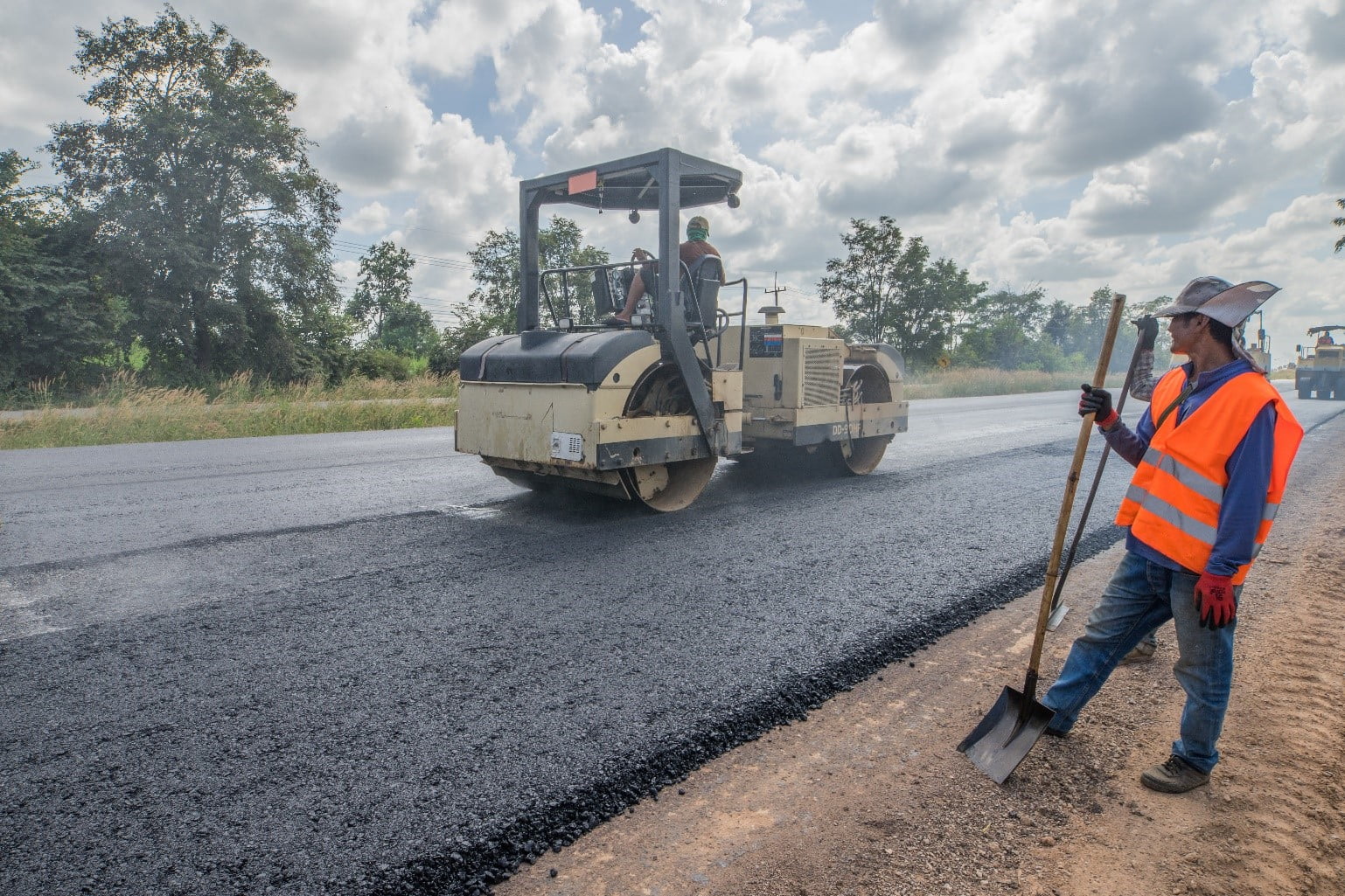
Recycled Aggregate in Roadway Construction Project

Aggregate is concrete, rocks and sediment. Many construction companies recycle aggregate for use on highways as fillers in deep holes and as foundational material for buildings.

Some companies will come on site and recycle the aggregate onsite, and some will recycle the gathered aggregate at their place of business.

The process of recycling involves putting the aggregate into containers to hold them, or onto a conveyer belt where the cement and rocks can be crushed into smaller pieces more suitable for the tasks at hand. Once the desired size is achieved, the recycled aggregate is ready for use.

Who Recycles Aggregate?

A lot of the aggregate comes from concrete companies as they recycle the unused concrete and rock, so recycling is an economical avenue for projects to save money. Much of the aggregate that is recycled by concrete companies has a different size and purpose than the form they were originally before crushing them to a different size.

Why Use Recycled Aggregate or Onsite Crushing?

Recycling has always been a better solution than discarding products, and concrete is a product as well as any other material products available. With the foresight of many in government, very good use of the recycling process has been, and is being, implemented even today. Projects can come from buildings and highways, as well as many residential driveways, gardens, pathways and even consumer items that can use recycled concrete and rocks to create them.

To learn more about our onsite crushing in Capitol Heights and surrounding areas, or recycled aggregate delivery, contact us.

quate