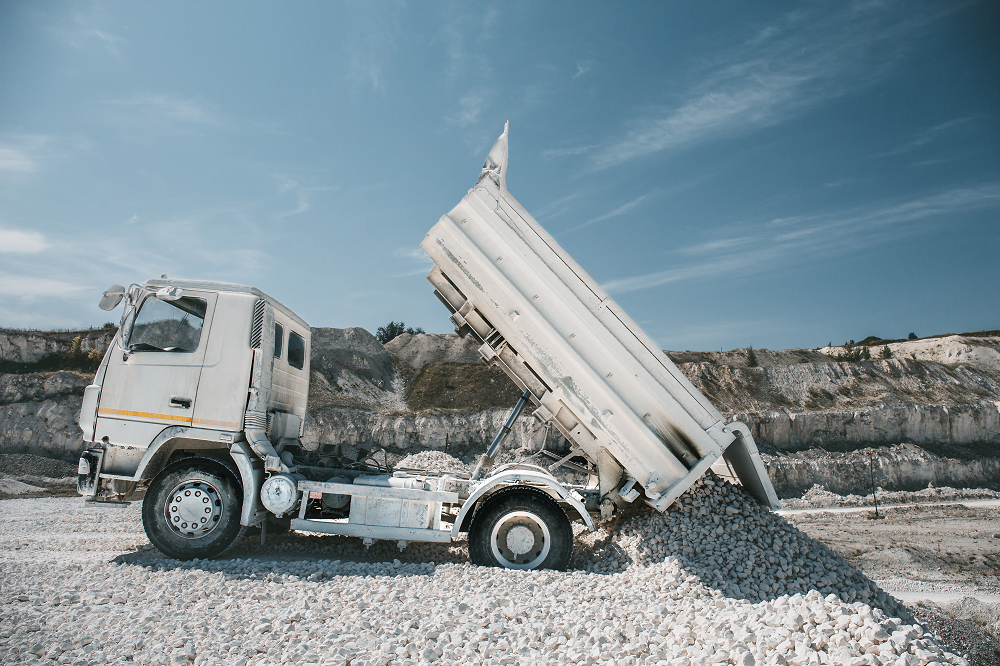
Trends in Construction Waste Management

Waste management is an essential element of a construction project.  All of that unneeded dirt, concrete and excess material needs to go somewhere. Today, companies are turning to find more efficient and sustainable solutions to their waste management needs. Here, the experts at ReAgg explain how the waste management sector of construction is evolving. 

Overview of Waste Management in the Construction Industry

Waste management is an essential management process for both the demolition and construction sectors. The process of waste management includes monitoring, collecting, segregating, transporting, recycling and disposing of the waste material that is generated on a jobsite. 

Often, waste material is bulky and heavy, and consists of the following: 

  •  concrete, 
  • wood from buildings, 
  • asphalt from roads and shingles, 
  • gypsum, which is the main component of drywall, 
  • metals, 
  • bricks, 
  • glass, 
  • plastics, 
  • salvaged building components, such as doors, windows
  • and trees, stumps, earth and rocks from clearing sites. 

In 2018, the United States produced over 600 million tons of construction waste. This was more than double the amount of general municipal solid waste generated that year.

Growth In the Waste Management Sector 

As sustainability becomes a large initiative in sectors such as energy and consumer goods, the construction industry is also finding ways to cut down on the impact that all this waste has on our planet. Because of this, the waste management market is growing. According to a leading market research group, IMARC, the global construction and demolition waste management market is projected to grow 5.3% during 2021-2026. 

While many trades-focused industries are projected to see growth over the next few years, waste management is one to keep an eye on. A 2016 study found that in one year alone, construction & demolition material recycling opportunities led to the creation of 175,000 U.S. jobs. 

Increased Green Initiatives 

Governments of various countries are tightening regulations on the use and recycling of construction materials, especially because improper disposal can lead to an increase in greenhouse gas emissions, environmental degradation and increased public health risks. Regulations look at holding waste disposal to a higher level as well as offering incentives to adopt greener practices. In addition, programs such as  Leadership in Energy and Environmental Design, LEEDS, help to promote and celebrate sustainable building practices by offering.   

Decreasing Waste

Sustainable practices are becoming more widely embraced by the construction waste management industry. Currently, roughly 35% of construction waste goes straight to the landfill. Many construction companies are taking action to change this statistic. 

The U.S. particularly is making strides in the efforts to cut down on construction waste that ends up in landfills. In 2018, nearly 76% of all construction & demolition waste was either recovered or recycled. However, it is important that this trend continues, as recycling efforts can reduce U.S. expansion by 1,000 acres for every 153 million tons of construction & demolition waste recovered. 

Reduce, Reuse, Recycle 

Many construction companies are also honing in on the financial benefits of thinking green. Recycling and reusing materials cuts down on costs associated with disposal and transportation. Buildings that receive LEEDS credits are proven to be more cost-efficient, with an estimated $54.2 million in waste savings. 

In addition, it is estimated that electing to use recycled materials on a jobsite can cut down material costs by nearly 25%. These high amounts of savings make utilizing recycled materials and sustainable waste management practices something that many construction companies are focusing on. 

More Than Just Stone: ReAgg and Construction Waste Management 

ReAgg’s team is here to offer support on every element of a construction project, including waste management. From roll-off rental services to handling material disposal, we can provide solutions to all of your waste management needs. ReAgg’s services are also eligible for LEED credits. To learn more about how ReAgg can help bring you into the future of waste management, call 301-336-6700. 
2 Benefits of Recycling Concrete for Construction Projects

Concrete Recycling Construction Projects in Baltimore

Construction projects usually have concrete debris that needs to be hauled away. You may have torn up sidewalk or a heavy load of concrete after a demolition project. Removing and recycling concrete with ReAgg gets the concrete out of your way and has many environmental and financial benefits. There are different removal methods based on the size, type and shape of the concrete.

Environmental Benefits

Concrete debris consists of mostly large pieces of the concrete. Reusing it means that landfills are not filled with construction waste. This leads to fewer vehicles needed to transport concrete long distances so that the equipment is not polluting the air through new concrete creation.

Financial Benefits

Reusing concrete lowers costs for a construction project. It also saves time because the materials do not have to be mined, crushed, mixed or transported. Lower rates makes everyone happy because it can provide lower project estimates for a new commercial building foundation, roadway pavement, driveway or house foundation. Additionally, companies like reusing concrete because it could provide tax benefits and additional savings.

The Basics of Recycled Concrete

To recycle concrete, machines are used to crush it up and break it down. Dirt, debris and particles are removed using different methods. Some of the methods include running it through a secondary impactor, or using water flotation, magnets, or separators. Most concrete can be disposed, but it is important to know the weight and size to ensure the right method is used.

Roll Off Dumpsters versus Concrete Removal

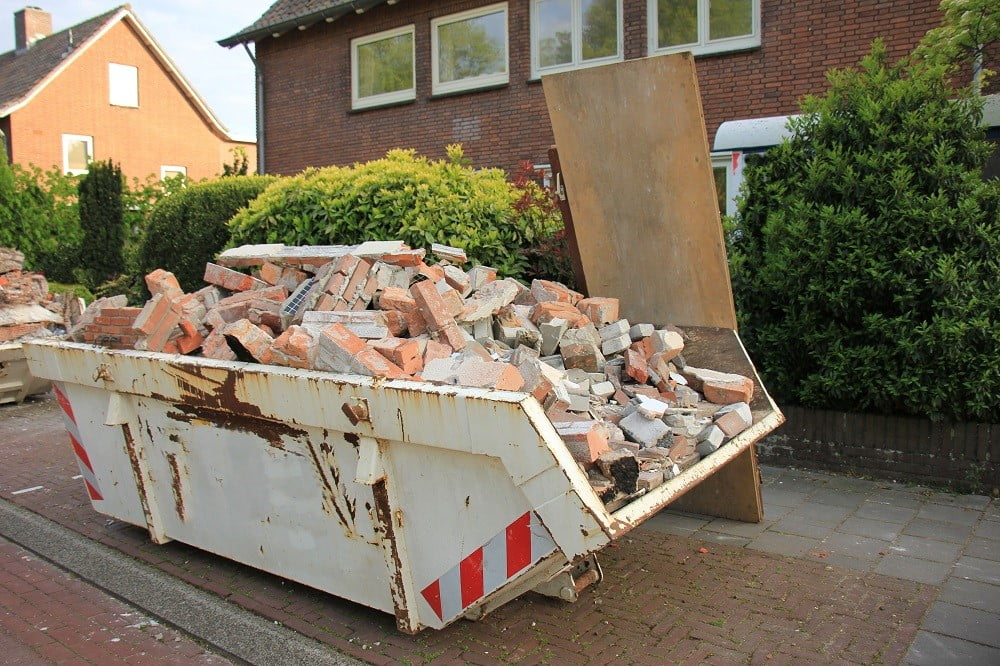
One of the easiest ways to get rid of concrete is to rent a roll off dumpster or rent a dump truck for hauling. They are an efficient way to unload a large quantity of concrete. Some dumpsters hold as much as twelve pick-up truck loads of waste. Roll off dumpster rental in Baltimore can be scheduled to arrive when it works for you. You can load it up at your own pace. When the dumpster is full, it can be picked up without anyone needing to be there.

If you do not want to be bothered moving the concrete, you can schedule removal services too. You will have to pay more and be present, but you will not have to deal with the heavy lifting.

Call today for concrete recycling in Baltimore. We offer competitive quotes on roll off dumpsters, onsite concrete crushing services, and dump truck hauling.

If you do not want to do the lifting, we also have removal services. We have dumpsters and services of all types and will make sure the job is done right. Our team is ready to haul away all your concrete so you can move on to the next stage of your project. Call today so we can help you clean up after a construction project!

Contact Us

Call us at (301) 336-6700 or toll free at (888) 554-1503 for concrete disposal in Baltimore, Maryland, and the Metropolitan area, Washington DC and Northern Virginia.

Choosing the Right Crushed Stone Surfacing for Your Driveway

Crushed stone provides a multitude of exciting designs for a driveway. The wide variety of stone provides endless design potential for durable, affordable walkways, driveways and roadways.

The many options available can make it difficult to decide which crushed stone is the best for your driveway. When choosing a stone, consider your aesthetics needs as well as the usage of the area. ReAgg serves as experienced crushed stone suppliers in Baltimore that can provide the material for your dream driveway.

Driveway Layers

Most driveways use gravel of at least three different sizes. These layers create a level, stable surface with good drainage. Subgrade is the compacted soil at the very base of the area excavated for the driveway. In areas with loose, grainy soil, it is often necessary to create this layer.

Over the subgrade, the sub-base is layered. It is made of larger crushed stone between one and a half to two and a half inches in diameter. This is sometimes mixed with stone dust or smaller stones. The base layer is composed of smaller crushed stones than the sub-base. These three layers create a solid foundation for the surfacing material.

Surfacing Material

The surfacing layer creates the ultimate look of the crushed stone driveway. Surfacing materials are where you have the most options. Quarry process stone, crushed stone, washed clean stone, pea gravel, and marble chips can all be used as surfacing material.

Crushed Stone

Standard gravel is the most common type of crushed stone. It is created from pulverized limestone, trap rock, gneiss or granite. The most commonly used gravel is three-quarters of an inch in diameter. This diameter is the safest to drive on and the most comfortable to walk over while remaining heavy enough to stay stable.

Washed Clean Stone

Washed clean stone is much like standard crushed stone only the stone has been meticulously screened, sized and cleaned to remove excess dust and residue. This lets the natural beauty of the stone show through and gives a clean finish with minimal dust.

White Marble Chips

White marble chips are an elegant choice. The white/off-white stones catch the light beautifully, making them sparkle. The way the stones reflect sunlight makes them ideal for areas of the property that need some heat deflection.

Pea Gravel

Pea gravel is composed of smooth, rounded stones and is available in many colors such as brown, tan, rust, yellow, blue, and white. The beautiful natural appearance, smooth texture, and color options make this stone is perfect for a wide variety of homes.

Choosing materials for your driveway may seem overwhelming but there are many resources to find the right stone for your lifestyle. For crushed stone delivery in Baltimore, start your driveway project by getting a quote from ReAgg!

Contact Us

Call us at (301) 336-6700 or toll free at (888) 554-1503 for crushed stone delivery in Baltimore and surrounding cities throughout Maryland, Northern Virginia and Washington, D.C. areas.

quate

There Is an Easy Way To Get Rid Of Your Unwanted Concrete

Baltimore Maryland Concrete Disposal, Hauling & Delivery

What Do You Do When You Have Old Rocks, Concrete and Bricks to Get Rid Of?

Being stuck with a large amount of concrete, rock and bricks can be a daunting issue when it comes to getting rid of these unwanted materials. They cannot simply be thrown out in the trash and recycling these kinds of building materials is quite a big production. Getting rid of excess and unwanted building materials like this can often be a bigger task that the remodeling and construction project that produced them. When you are looking for concrete disposal in Baltimore, there are some things that you need to know.

Getting Rid of Concrete, The Right Way

Our company can help you out when it comes to getting rid of that unwanted concrete that you have. Getting a price quote today is your best bet if you are looking for concrete disposal in Baltimore. We will be happy to go over the costs of concrete removal when you contact us and arrange an appointment. We carry the concrete for disposal on the bedload of our removal truck.

One of the great things about asphalt is the fact that it can be recycled. The recycled asphalt can then be used for several purposes, including new paving projects. Customers also use the recycled concrete as drainage bedding and foundation.

We can remove concrete from a demolition site and bring it to a recycling plant. If you have concrete you need to dispose of, get a quote today.

Contact Us

Call us at (301) 336-6700 or toll free at (888) 554-1503 for concrete hauling services in Baltimore and surrounding cities throughout Maryland, Northern Virginia and Washington, D.C. areas.

quate