Aggregates Used in Building Roadways
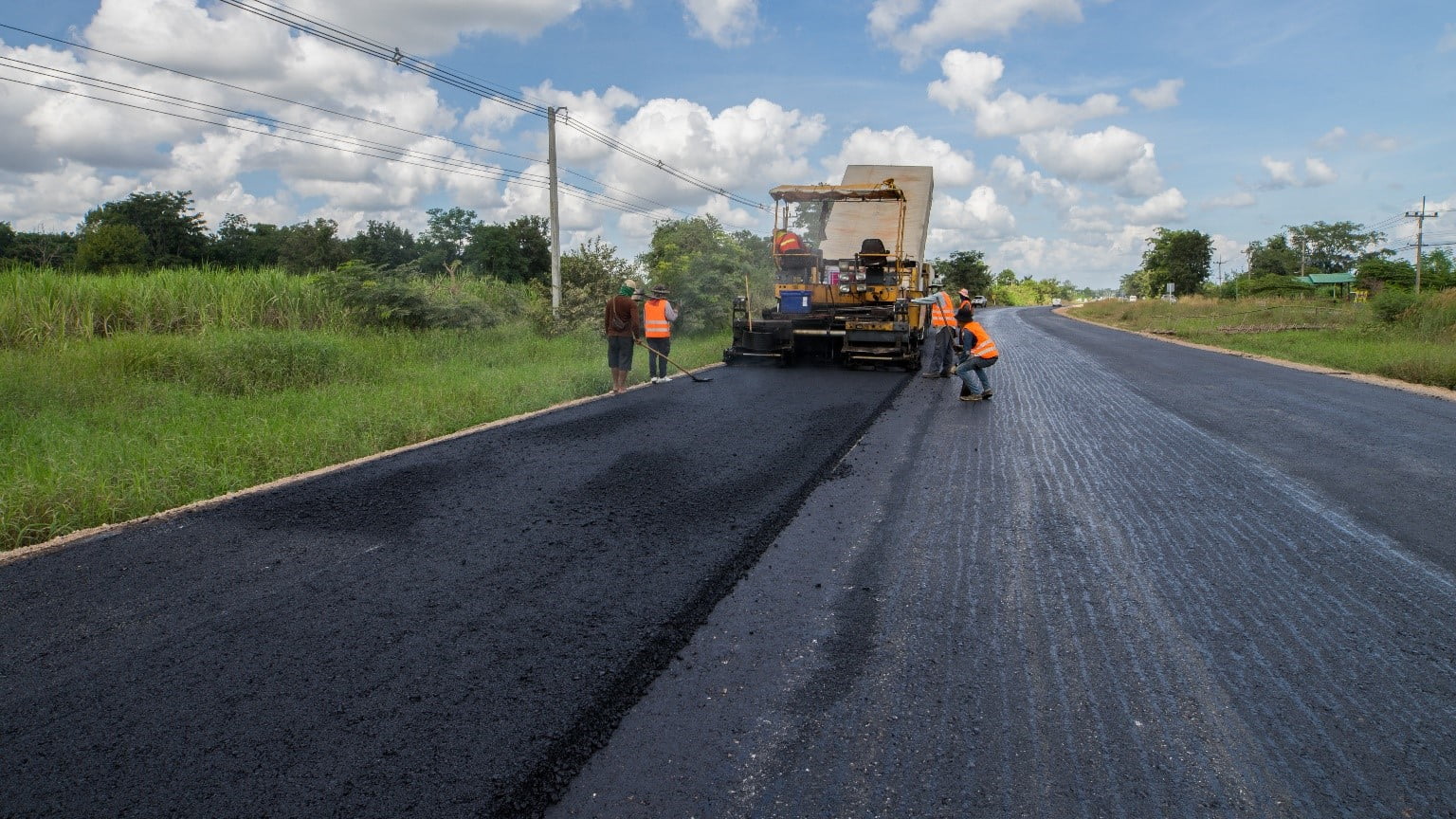
Aggregate is a wide selection of crushed rock and stone materials used in construction, such as gravel, sand, crushed rock, slag, recycled concrete and geosynthetic aggregates. The requirement for crushed stone is subject to government infrastructure projects, residential and commercial building, and other kinds of construction.
The demand for aggregates can be partially fulfilled using slag and recycled concrete to crush into different sized aggregates. However, the lesser grade of these materials prevents them from being a workable substitute for mined aggregates on a big scale.
Applications of Aggregates for Projects
Many applications for aggregates have concentrated on reuse as a component in roadway construction projects including using aggregates as a roadway foundation course or as an aggregate substitute in hot mix asphalt or in cement concrete pavements.
Aggregate Production for Roadways
Aggregates are among the most used, apart from gravel, and can be used in building roads and in other concrete forms. Aggregate production is a significant part of the asphalt industry because asphalt and aggregates are mixed to pave the country’s roadways. The materials used in these aggregates include gravel, sand, and crushed rock.
It’s projected that roughly 44% of sand and gravel aggregate has been used as concrete aggregate. There is 25% used in road base for streets and roads, 13 % of concrete aggregate for asphalt and other bituminous mixtures, 12% is used as building fill, 1 % for various concrete products, like bricks and blocks, plaster and sands, along with 3% for filtration, railroad ballast, roofing granules and other mixed applications.
Materials Used in Buildings and Roads
Our materials are used in the creation of buildings and roads.
Here’s a few examples of how materials are used:
- railroads
- riprap for levees
- rock for stone walls
- concrete aggregates for bridges and schools
- clays for concrete and brick
- mixed products for landscaping
Stable, safe, cost effective: our Baltimore County crushed aggregate delivery fulfills exactly the exact same high standards expected of road building stuff as readily as conduct building materials according to primary sources.