A Guide to Aggregates: Supply and Delivery

From roads to skyscrapers, aggregates are the base for most construction projects – but what exactly do aggregates consist of? Where do they come from? How do they get from the Earth to a construction site? Here, the experts at ReAgg explain what the different kinds of aggregates are, how they are produced, and how our big green trucks are able to deliver them to your construction site. 

Importance of Aggregates 

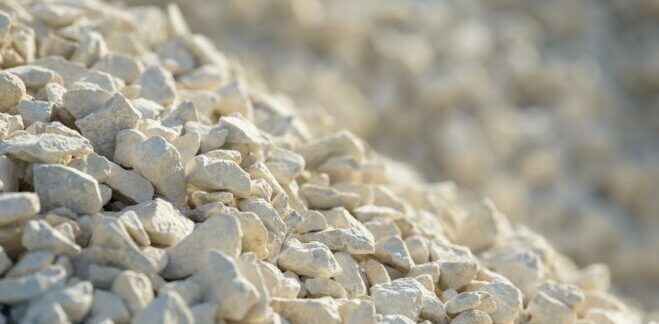
While they may seem like nothing more than rocks, aggregates are crucial to the construction industry and include sand, gravel, crushed stone, slag,  large quarry stone and more. They occur naturally in the Earth and are included in the “most mined materials” throughout the world. 

Aggregates are chosen as the base material for the infrastructure of projects because their uniform properties allow for a strong foundation. They provide the bedrock for roads, bridges, buildings and tunnels and are a key component in the production of both asphalt and concrete.  In short, the world as we know it would not exist without aggregates. 

Aggregate Mining 

Aggregates require an extensive mining process to remove them from the ground.  First, a mining site must be evaluated and permits obtained before mining can begin. There are different methods of mining for aggregates, but the most common is appropriately named quarrying. A quarry is a large, open-pit that allows for rock, sand, and minerals to be extracted from the Earth through the process of drilling and blasting. Once mined, aggregates are transported from the quarry to a processing facility where they are transformed into the final product. 

Aggregate Processing

At the processing plant, quarried rock undergoes primary and secondary crushing to create the desired end product. The actual method used for processing is based on the type of rock, product requirements and end use. Some aggregates will be crushed to a powder, while others are screened to various diameters. 

Upon arrival, aggregates are fed through a crusher. Most sites operate a primary crusher, which is able to reduce the size of the quarried rock down to a six-inch caliber. These larger rocks are then crushed a second time, screened and, in some cases, blended to create usable aggregates. Sometimes, an aggregate will go through three different crushers before the desired product is obtained. 

Processing facilities must also adhere to rigorous quality control standards when refining aggregate products. If a specific aggregate is not the correct size, for example, the end product could ultimately fail. To make sure this never happens, plants are required to meet specific state and federal guidelines. 

Transportation of Aggregates to Job Sites

Once the aggregates are given the green light from quality control, they are transported to the job. Most quarries and processing plants utilize dump trucks to haul their materials. However, when necessary, aggregates can be transported by rail or water. 

How ReAgg is Making a Difference in the Aggregate Supply Industry

ReAgg is more than just stone. We offer competitive advantages that allow our customers to complete a variety of projects on time and at a competitive price. With no natural quarries in the immediate Washington Metropolitan area, our large inventory of aggregate materials provides a convenient and accessible source for the local construction market. When purchasing products directly from ReAgg, our customers don’t have to worry about availability, logistics or time lost, three factors that affect their bottom line.  

Contact ReAgg for Your Aggregate Needs 

ReAgg has been proudly supplying aggregate products throughout Maryland, Northern Virginia, Washington D.C., and Baltimore for decades. We understand the important role aggregate materials play in the construction industry. Whether your project is large or small, ReAgg is here to serve you. From processing to delivery, we will be with you every step of the way. Call 301-336-6700 or visit our website today for a quote. 


Upgrade Your Home’s Outdoor Area with Concrete

Concrete outdoor patio residential projects

Stop and think for a moment about concrete. It’s everywhere and used for close to 3,000 years. Concrete is the second most used product in the world, with water being in the top place.

Concrete is used so much because it is strong, versatile, easily maintained, and tough. Age also makes concrete stronger. Concrete also has many uses. It can become a building’s foundation, or it could become a driveway, a bridge, a street, a patio, a sidewalk, or a floor. But what about using concrete to help refresh your yard? Find out below what you can use concrete for in your landscaping.

Concrete Driveway

You could use crushed concrete in place of gravel to help keep your driveway looking new. Crushed concrete comes from recycled concrete and is used in creating driveways.

Concrete Patio

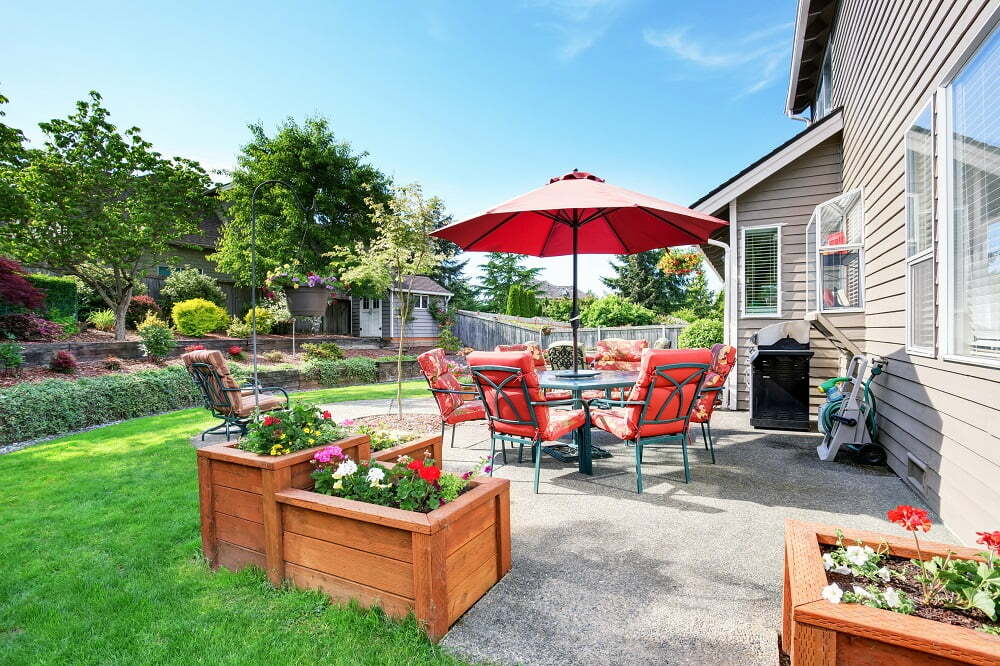
You could also use concrete to build a patio for your backyard. Consider adding cobblestone, crushed concrete, and other aggregates to make your patio’s flooring look appealing.

If you get creative, you might find many unique concrete ideas for your yard. ReAgg can deliver concrete to you.

ReAgg serves as Baltimore crushed stone suppliers company that uses many large, heavy trailers and trucks. We offer many services, from hiring contractors, equipment, cranes, to just delivering aggregates or hauling recycled concrete.

If you need materials for your landscaping, call ReAgg at (301) 336-6700 for more information.

ReAgg Request a Quote

Uses for Gravel in Construction & Residential Projects

Gravel for construction and residential projects in Baltimore

Gravel is something not many people think about regularly. However, it does come to mind when doing some serious landscaping around the house or building a road. There are many uses for gravel around the house or construction site. There are also just as many types of gravel, each with its unique use.

Using Gravel at Home

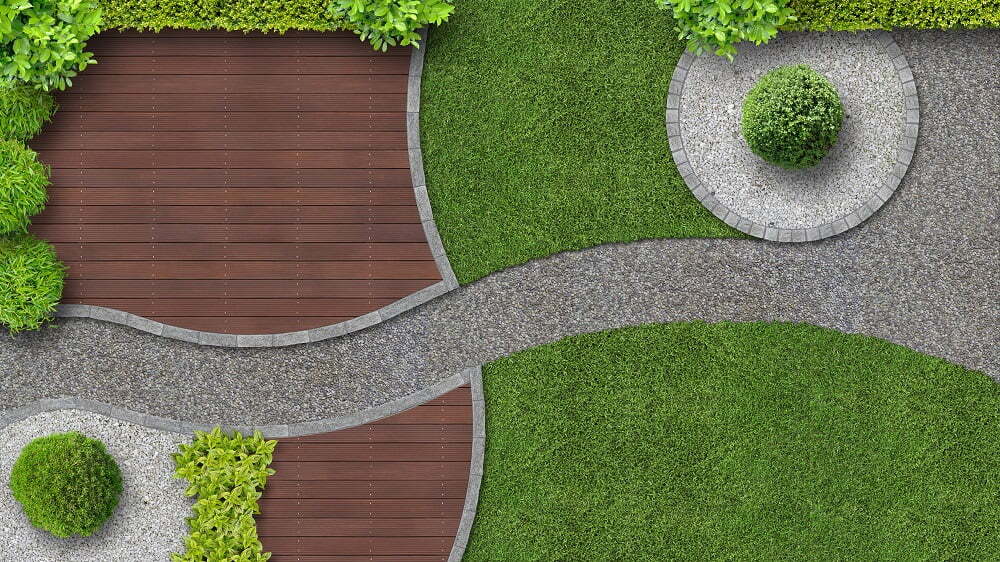
There are many uses for gravel around the home. In landscaping, gravel cannot only be nice to look at; it can also serve a purpose. A good example is using pea gravel as mulch in landscaping around a structure. It will also improve drainage and repel moisture, keeping a building dry.

Another everyday use for gravel is for a driveway. Limestone gravel is typical for use in driveways and walkways. It, too, will aid in drainage and moisture control. Pea gravel is an attractive, useful gravel type that is great for around trees, flowerbeds, and even ponds. The uses for gravel around the home are endless.

Gravel in Heavy Construction

In professional and heavy construction, gravel of all types and sizes has many uses. Layers of gravel of various sizes are piled beneath building and road construction for structure and drainage reasons. Limestone is typically used in resurfacing “dirt” roads, while in Baltimore, pea gravel is used in many chips and seal resurfacing techniques where gravel is spread and then sealed with oil.

No matter what kind of construction, ReAgg is here to help in your commercial or residential project. Contact us for all your construction and decorative gravel needs. The professionals at ReAgg know their gravel. They will guide you to the right type and amount needed for your project, large or small.

Call ReAgg at (301) 336-6700 for more information about gravel in Baltimore .

Request a Quote for ReAgg’s Aggregate Services

What Can You Use Crushed Concrete For?

Crushed concrete aggregate delivery in Baltimore

The use of crushed concrete can take many forms for your home or place of business. Whether you are looking to change your property’s style or improve maintenance and drainage, crushed concrete offers solutions to your problems. You can find crushed concrete in different sizes to present the perfect exterior style for your property. Whether you are landscaping or looking for new driveway material, crushed concrete in Baltimore should be your choice.

Crushed Concrete and Landscaping

Crushed concrete has always had a place in landscaping because of this material’s impressive ability to help plant care. The use of crushed concrete as landscaping material is exceptional because of the ease of maintenance you will see when caring for your plants, flowers, and trees.

When you choose crushed concrete as a planting medium for your plants, you will enjoy the improved drainage it has to offer and the ability to reduce the number of weeds growing in your planting beds. Another benefit is the attractive and uniform nature of crushed concrete when it is in place at your property.

Driveways Look Impressive

Among the most popular uses of crushed concrete in Baltimore is that of driveway coverage. When you are looking to improve your driveway’s drainage with a low-maintenance option, crushed concrete is the way to go. Extreme weather in the winter and summer has little impact on this material that retains its impressive appearance for years to come.

Parking Lots and Commercial Use

We tend to think of crushed concrete as a material commonly used in residential environments, but commercial spaces also use it. The common uses of crushed concrete include its use as a covering for parking lots and roads in commercial settings. Because of its low-maintenance benefits and ease of drainage, crushed concrete is an excellent roadway material installed by business owners across the region.

Getting the Right Amount of Crushed Concrete

Choosing crushed concrete is the first step along the way to creating a beautiful, low-maintenance exterior for your home or business. Getting the right amount of material delivered by us to your door is easy when you understand how we sell crushed concrete. Crushed concrete measures square foot or yard, meaning multiplying the length of the area you want to be covered by the width will give you a rough guide to how much you need.

When you want to learn more about crushed concrete and get our professional opinion of your project, call ReAgg at (301) 336-6700 for more information about Baltimore’s crushed concrete.

Request a Quote for ReAgg’s Aggregate Services

Controlling Erosion: 4 Aggregates for Erosion Damage Solutions

Controlling erosion with aggregates in Baltimore

The erosion process happens when essential soil and various ground matter gets washed away. Many natural substances tend to disappear slowly. It occurs when large movements of water come into the environmental picture. Various components cause the erosion process to take place.

These include:

* removing plant life

* natural forces (many powerful weather elementals)

There is an impact on the environment from erosion that is quite visible and clear to many individuals. This type of erosion process puts a strain on the earth because essential nutrients are drained, and it tends to occur in gradient (sloped) sectors.

When this happens, plants have a more challenging time thriving, and strained growth occurs. It is slowly eating away at the hills and banks in some places. Engineers have discovered valuable methods to fight the damage of the erosion process and reverse its negative effects. They are incorporating various types of stones to help stop the damage.

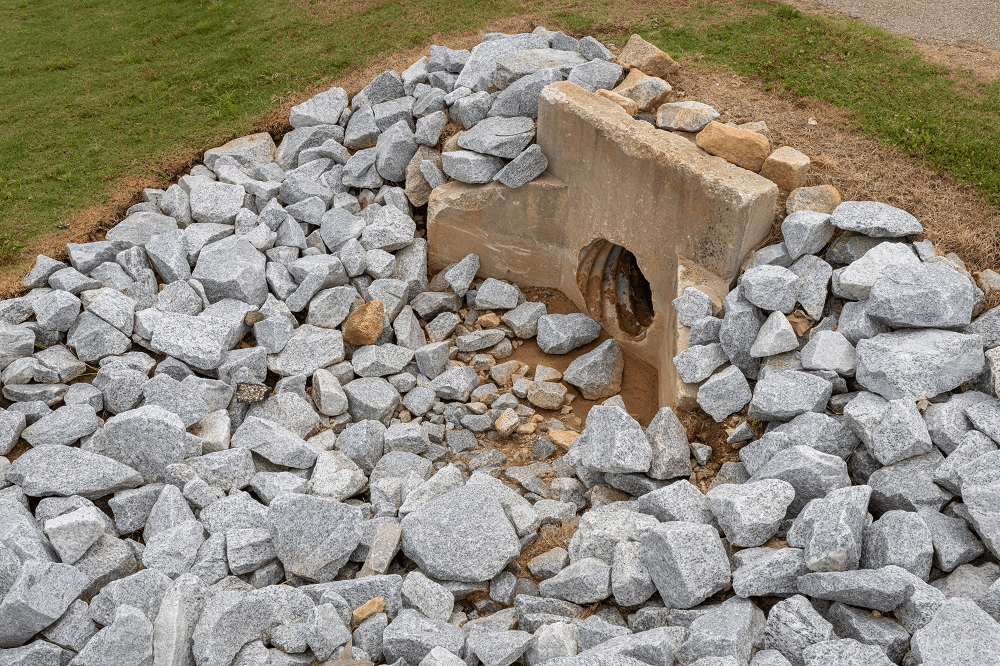
For example, they incorporate limestone and granite. The goal is to prevent erosion from causing more harm to the planet. An engineer will place consideration into the size of the stone and the actual source of it. Since they use various stones, they have not found one stone to be more effective. One way to get stones that help in erosion control is through ReAgg. As a Baltimore aggregates supplier, we are informed about the possible solutions to combat erosion damage and stones’ benefits.

1. Riverbeds: Cobblestones

Riverbeds and similar locations use cobblestones. This stone is not necessarily known for putting an end to erosion. Engineers have found them to be useful for filling gabions. These are mesh-like oval cylinders filled with the stones. They may be placed in walls, along banks, or steps to prevent soil erosion. The gabions are given extra bulk and strength thanks to the rocks and their benefits.

2. Gravel: Useful Ingredient

Gravel is known for having common ingredients useful for preventing erosion. Much of the gravel, used for erosion prevention, does come from mines. It is common for mines to produce large amounts of this type of rock. This rock gets ground into smaller stones and sold as gravel. Gravel is layered on the surfaces of fences, dams, and boards to prevent the flowing water

3. Non-Absorbent Stone: Filtering Water Easily

Some minerals can filter water with ease, and they are very absorbent. Others resist water and allow water to flow at a steady pace. Clay is known for being non-absorbent. Any soil that has a high clay content has a double edge. They allow water to flow away and may contribute to erosion. Clay can support various anti-erosion projects and terraces.

4. Sand: A Key Filler

Sand is known for being a critical filler in many erosion-prevention utensils or devices. Many shorelines feel the impact of ongoing erosion. An engineer will put clean filler sand into the seashore zones that are impacted. Natural grasses will be grown on the top to keep it firmly embedded. Sand is a key ingredient in soil material, mulches, used to line banks while preventing erosion issues.

ReAgg is ready to be of assistance and is informed about erosion control and prevention for aggregates delivery in Baltimore. If you need high-quality aggregates for your project, contact us today at (301) 336-6700.

Request a Quote for ReAgg’s Aggregate Services